
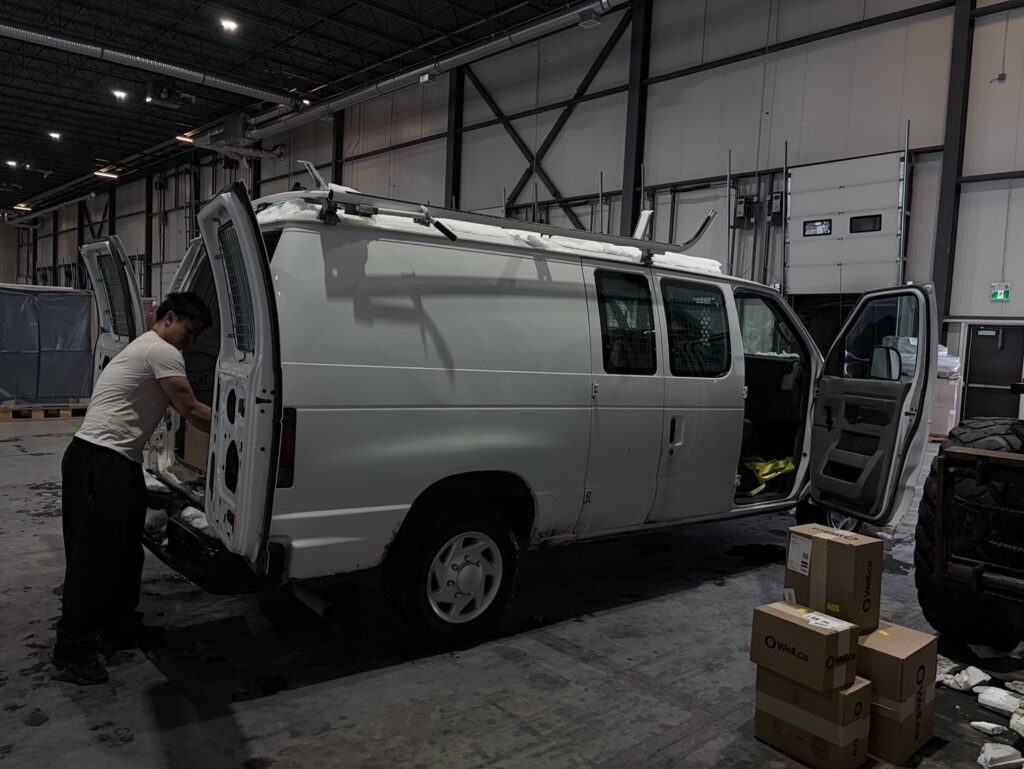
In most industries, a late or mishandled delivery is an inconvenience. In healthcare, it can be a patient’s medication, a time-sensitive sample, or a regulated product that now has to be discarded.
If you ship medical or pharmacy freight, here’s what a courier should be able to prove — not promise.
Chain of custody
Every hand-off should be documented. Who picked it up, when, and who received it. If your courier can’t produce an unbroken record for a given shipment, you don’t have chain of custody — you have hope.
Temperature and cold-chain integrity
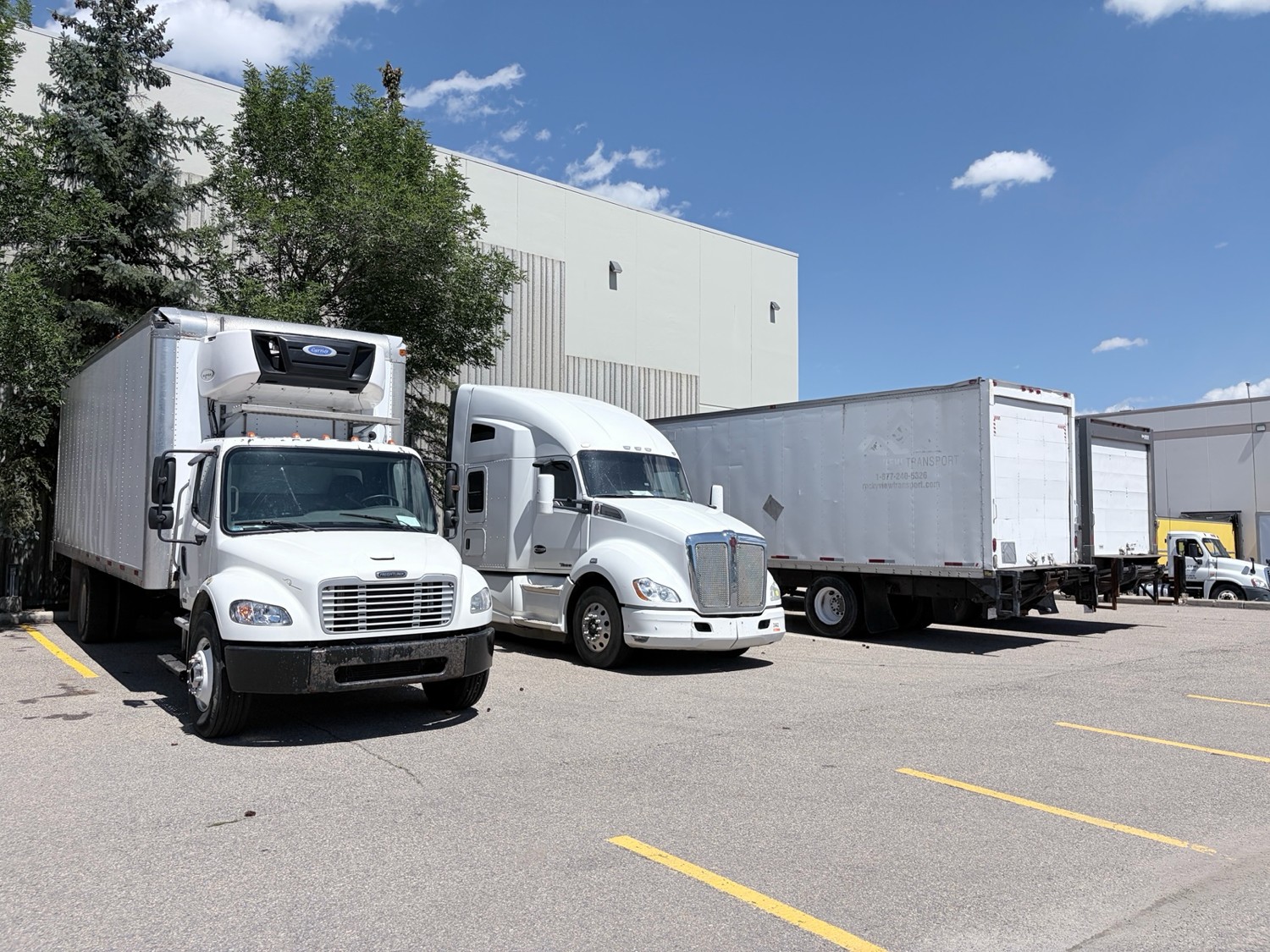
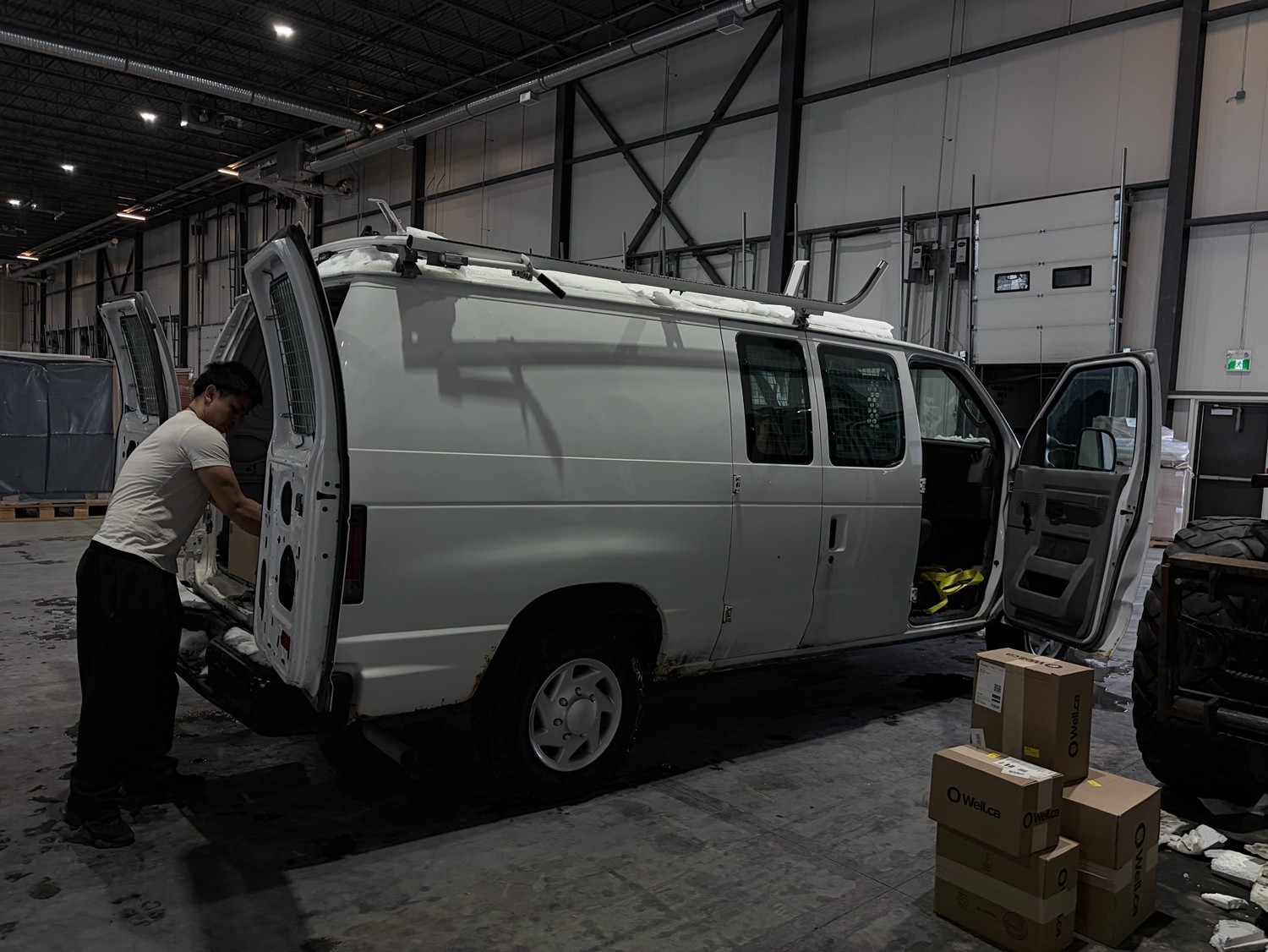
Cold-chain product that drifts out of range is compromised, even if it looks fine. Ask how temperature is maintained and monitored across the route, not just at pickup.
Timestamped proof of delivery
For medical freight, “delivered” needs a time and a photo attached. This isn’t just good service — it’s the record you’ll need if a delivery is ever questioned.
STAT and time-critical handling
Some deliveries can’t wait for the next route. Ask whether your courier has a real STAT process — dedicated, tracked, and prioritized — or whether “urgent” just means “we’ll try.”
Insurance, CVOR, and operating authority
Non-negotiable. Proper cargo insurance, a clean CVOR safety record, and the correct authority to operate. Ask for documentation, not reassurance.
Trained, accountable drivers
Handling medical product is different from handling parcels. Ask how drivers are trained for it and how the courier handles a driver who cuts a corner.
The bottom line
Healthcare shippers shouldn’t have to hope their courier is compliant — they should be able to see it, in writing, on demand. If a courier gets vague when you ask for proof, that’s your answer. In this field, “trust me” isn’t a standard. Documentation is.
The rules that actually apply to healthcare delivery in Canada
Healthcare shippers sit under overlapping obligations: provincial health-privacy law (like PHIPA in Ontario and HIA in Alberta) governs any personal health information travelling with a shipment; PIPEDA covers personal data more broadly; and Health Canada’s good distribution expectations apply to drugs and certain devices, including temperature control and record-keeping. Your courier doesn’t need to recite the statutes — but they do need privacy-trained drivers, documented procedures and records they can produce on request, because an audit of your supply chain includes them.
Temperature control and chain of custody in practice
For refrigerated products the standard is 2–8°C, maintained and logged from pickup to handoff — not just at departure. In practice that means validated containers or reefer units, calibrated data loggers, and a temperature record attached to the proof of delivery. Chain of custody means sealed totes, named handoffs and a signature at the receiving end. If a courier can’t show you a sample temperature log and POD from a real run, assume they don’t produce them.
A quick audit checklist for your current courier
Ask for five things: proof of privacy training for drivers, a sample temperature log from a refrigerated run, their procedure for a failed or refused delivery of a controlled product, their insurance certificate, and two healthcare references. A compliant courier assembles that package in a day. A non-compliant one asks why you need it.
Frequently asked questions
What is a medical courier?
A medical courier specializes in transporting healthcare items — medications, lab samples, and regulated products — with chain-of-custody documentation, temperature control and time-critical handling.
What compliance should a medical courier have?
Documented chain of custody, timestamped proof of delivery, proper cargo insurance, a clean CVOR safety record, cold-chain capability where needed, and trained, accountable drivers.
What is cold-chain delivery?
Cold-chain delivery keeps temperature-sensitive product within a required range from pickup to drop-off. If it drifts out of range, the product can be compromised even if it looks fine — so monitoring matters.
Do medical couriers need special training?
Yes. Drivers handling healthcare shipments should be trained in privacy handling, temperature-sensitive transport, spill and exposure procedures, and documented chain of custody. Ask a prospective courier to show training records — reputable fleets keep them current for every driver.
What temperature range do pharmacy deliveries require?
Most refrigerated pharmaceuticals must stay between 2°C and 8°C for the entire journey, with a logged record. Room-temperature products typically allow 15°C to 25°C. The range is set by the product monograph, and your courier should log and provide evidence for whichever range applies.
Intact Courier & Logistics runs same-day, freight, medical and 3PL delivery across Calgary, Vancouver, Edmonton, Winnipeg, Toronto and Montreal. Talk to our team or explore our fulfillment services.